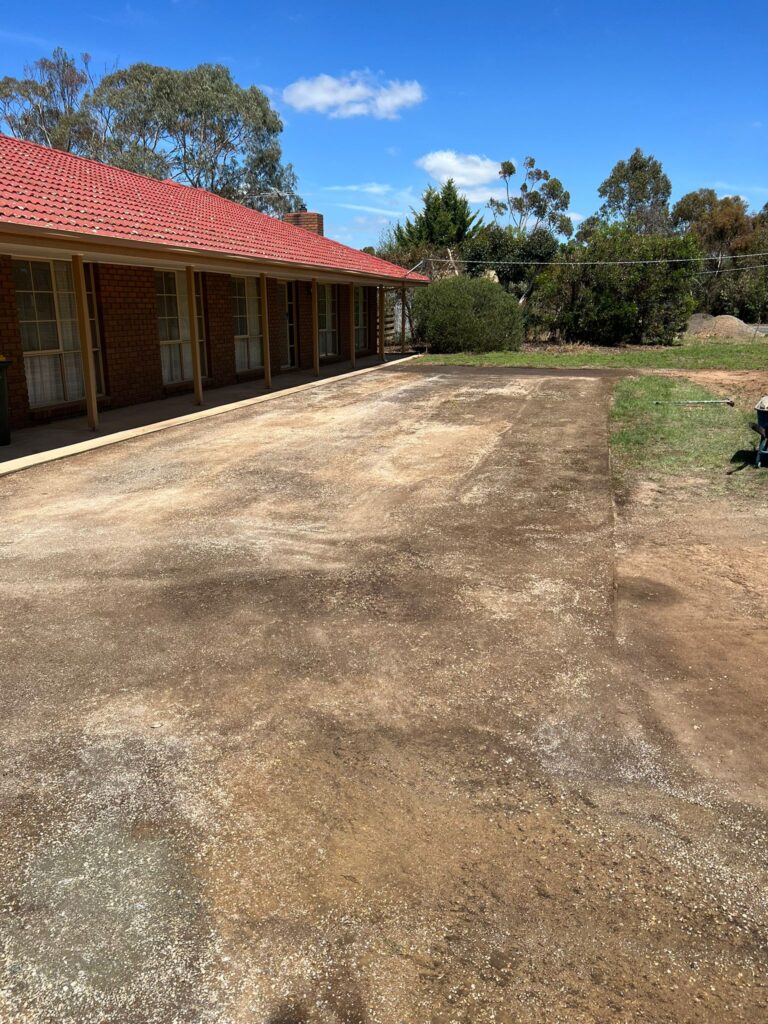
Cracks in an asphalt driveway, road or hardstand can make the entire surface appear as though it is reaching the end of its useful condition. However, cracking does not automatically mean that all of the existing asphalt needs to be removed and replaced. Some cracks are relatively localised and can be addressed through appropriate repairs, while others indicate movement or deterioration deeper within the pavement structure.
For property owners and businesses in Mulgrave, VIC, the key is understanding what has caused the cracking and how extensively the pavement has been affected. A professional assessment can distinguish between manageable surface deterioration and structural problems that require more substantial work.
Why Does Asphalt Crack?
Asphalt is designed to provide a durable wearing surface, but it is still part of a larger pavement system. Its performance depends on the condition of the foundation underneath, drainage, traffic loads and the quality of the original preparation.
Cracking can develop for several reasons, including:
- Normal surface ageing
- Water entering the pavement
- Movement within the foundation
- Inadequate compaction
- Repeated vehicle loading
- Localised settlement
- Weak pavement edges
- Existing repairs beginning to deteriorate
Because there are different causes, there is no single repair method suitable for every cracked asphalt surface.
Small Cracks Do Not Necessarily Mean Replacement
A small number of isolated cracks can often occur while the surrounding pavement remains stable.
If the asphalt is still well supported, levels remain consistent and there is no significant movement, localised treatment may be more appropriate than replacing the entire surface.
The condition around the crack is particularly important. Asphalt that remains firm on either side of the defect suggests a different problem from pavement that is breaking apart, sinking or moving under traffic.
Addressing cracks while they remain limited can also help reduce the opportunity for water to penetrate deeper into the pavement.
The Pattern of Cracking Provides Important Clues
Contractors do not assess cracking purely by measuring its width.
The shape, location and distribution of cracks can reveal useful information about what may be happening underneath.
One isolated crack may indicate a localised issue. Multiple interconnected cracks across the same area can suggest that the pavement is experiencing more widespread stress.
Cracking accompanied by depressions or movement is particularly important because it may indicate that the asphalt has lost stable support from below.
Understanding the pattern helps determine whether repair, resurfacing or reconstruction is the more suitable response.
Water Can Turn Minor Cracking Into a Larger Problem
One reason cracks should not simply be ignored is that they provide potential pathways for moisture.
When water reaches the pavement underneath the asphalt, it can affect supporting materials. Repeated vehicle loads can then place additional stress on the weakened area.
The crack may become wider, surrounding asphalt can begin breaking away and potholes may eventually develop.
For asphalt surfaces in Mulgrave, assessing drainage alongside cracking is therefore important. Treating the visible defect without considering why water is reaching or remaining around the area may not provide the best long-term result.
Cracks Around Sunken Areas Need Closer Investigation
Cracking combined with settlement can indicate more than ordinary surface ageing.
If an area of asphalt has dropped below surrounding pavement, the supporting material underneath may have compressed, moved or weakened. Cracks can then develop around the edges of the depression as the surface changes shape.
Simply covering these cracks may leave the underlying movement unresolved.
The affected section may need to be opened so the pavement underneath can be assessed and corrected before the asphalt is reinstated.
Edge Cracking Does Not Always Require Full Replacement
Cracking frequently begins around pavement edges, particularly where support has been reduced or adjoining ground has eroded.
Vehicle tyres travelling close to an unsupported edge can place additional stress on the asphalt. Water runoff can also remove material that previously helped support the pavement.
Where the damage remains confined to the edge, localised reconstruction may be possible while retaining the sound asphalt elsewhere.
However, the source of the lost support should also be addressed. Repairing the asphalt alone may not prevent the same edge from deteriorating again.
Can Individual Cracked Areas Be Repaired?
Yes, where cracking is genuinely localised and the surrounding pavement remains structurally sound, individual areas can often be repaired without replacing the entire asphalt surface.
The appropriate process depends on the condition and depth of the damage.
Where deterioration has extended through the asphalt, damaged material may need to be removed back to stable pavement. The foundation can then be assessed, repaired and compacted as necessary before the asphalt surface is restored.
This approach allows serviceable pavement to remain in place while concentrating work on sections that have actually failed.
When Is Resurfacing Worth Considering?
Sometimes cracking is too widespread for numerous small repairs to provide a consistent result, but the underlying pavement structure remains serviceable.
In these circumstances, resurfacing may be an appropriate option.
Before a new asphalt layer is installed, significant cracks, potholes, depressions and unstable sections should be properly addressed. The existing pavement also needs suitable preparation so that the resurfaced area has a stable foundation.
Resurfacing is not simply a way of hiding old cracks. Its suitability depends on the condition of the pavement beneath them.
When Might Replacement or Reconstruction Be Necessary?
More extensive work becomes increasingly likely when cracking is associated with widespread structural deterioration.
Warning signs can include:
- Dense interconnected cracking across large areas
- Significant rutting or settlement
- Numerous recurring potholes
- Large sections moving under traffic
- Widespread surface breakup
- Persistent drainage-related deterioration
- Multiple failed repairs in the same locations
In these circumstances, the asphalt surface may no longer have sufficiently stable support.
Removing and rebuilding failed pavement sections can then be more appropriate than repeatedly treating the cracks visible at the surface.
Why New Asphalt Should Not Simply Cover Structural Cracks
Installing fresh asphalt directly over a structurally unstable pavement does not necessarily remove the cause of existing cracks.
If the foundation underneath continues moving, stresses can eventually affect the new surface as well.
This is why preparation is so important before resurfacing.
Existing failures should be investigated, unstable pavement corrected and drainage issues considered before the renewed wearing surface is installed. The objective is to create stable support for the new asphalt rather than relying on the new layer to compensate for weaknesses underneath.
Recurring Cracks Can Reveal an Underlying Problem
A crack that repeatedly returns after repair deserves further investigation.
Recurring defects may indicate movement in the foundation, settlement, concentrated vehicle loading or water entering the pavement.
Simply treating the same visible crack each time may provide limited benefit if the cause remains active.
A professional assessment can examine the wider pavement and identify whether the recurring damage is isolated or part of a developing structural issue.
The Condition of Sound Areas Matters
One of the most important considerations is how much of the existing pavement remains serviceable.
An asphalt surface should not automatically be considered a complete failure because one section has developed cracking. Large areas may still have a stable base, consistent levels and adequate surface integrity.
Where this is the case, preserving sound pavement and repairing failed sections can be a practical approach.
Conversely, when cracking is distributed across most of the pavement and accompanied by movement or deformation, broader rehabilitation may be necessary.
Drainage Should Be Assessed Before Major Asphalt Work
Cracked asphalt and poor drainage are often connected.
Low areas can hold water, damaged edges can allow moisture into the pavement and incorrect surface falls may direct runoff towards vulnerable sections.
If these conditions contributed to the original deterioration, they should be considered before substantial repair or resurfacing work is completed.
Correct pavement levels and effective water movement help protect both repaired sections and the existing asphalt that remains sound.
Why Professional Assessment Is Important
The appearance of cracking alone cannot reliably determine whether asphalt needs repair, resurfacing or replacement.
An experienced contractor should consider the extent and pattern of cracking, pavement movement, drainage, potholes, surface levels, edge condition and the stability of the foundation.
The way the pavement is used also matters. A surface receiving frequent or heavier vehicle movements may experience different stresses from an area exposed to lighter traffic.
Bringing these factors together allows the treatment to be matched to the actual condition of the pavement.
Acting Early Can Protect the Remaining Asphalt
Cracking is easier to manage before surrounding pavement begins breaking apart.
Once water penetrates damaged areas and traffic starts disturbing weakened edges, relatively small defects can develop into potholes or larger sections of pavement failure.
Having cracks assessed early provides an opportunity to determine whether localised work can protect the serviceable asphalt around them.
This can be particularly valuable when most of the existing surface remains stable and only certain sections are beginning to deteriorate.
Conclusion
Cracked asphalt does not always need to be completely replaced. Where cracks are isolated and the surrounding pavement and foundation remain sound, localised repairs may be sufficient. Where surface deterioration is more widespread but structural support remains suitable, resurfacing may be worth considering.
More substantial reconstruction becomes necessary when cracking is associated with widespread foundation movement, significant settlement, recurring potholes or extensive pavement breakup.
For asphalt driveways, roads, hardstands and vehicle areas in Mulgrave, VIC, Mulgrave Road Tech can assess the condition of cracked pavement and determine whether repair, resurfacing or more extensive preparation is appropriate. If your asphalt is beginning to crack or deteriorate, contact our team to arrange an assessment and discuss a suitable approach for restoring the surface.
Can a Driveway With Years of Patching Still Be Resurfaced?
An asphalt driveway that has been in service for many years will often accumulate repairs. Small potholes may have been patched, cracks treated and isolated damaged areas replaced as problems appeared. Eventually, the driveway can develop a patchwork appearance, leaving property owners wondering whether another repair is worthwhile or whether the entire surface can be resurfaced.
In many cases, a heavily patched driveway can still be suitable for asphalt resurfacing. The number of previous repairs is not the deciding factor. What matters is the condition of the pavement beneath those repairs and whether the existing driveway remains stable enough to support a renewed surface.
For property owners in Shepparton, VIC, assessing the complete pavement before resurfacing is essential. Existing patches can provide useful clues about where problems have occurred and whether those issues were limited to the surface or caused by deeper pavement weaknesses.
Does Extensive Patching Mean the Driveway Has Failed?
Not necessarily.
Patching is commonly used to repair individual areas of pavement deterioration. Over a long period, even an otherwise serviceable driveway may require several localised repairs.
A driveway containing numerous patches may therefore still have a substantial amount of sound pavement remaining.
However, extensive patching should prompt a closer assessment because it can also indicate that deterioration has been occurring progressively across the surface.
The important questions are:
- Why were the original repairs required?
- Are the repaired areas still stable?
- Are new defects continuing to appear?
- Is cracking widespread between patches?
- Has the driveway developed significant rutting or settlement?
- Does water regularly collect on the pavement?
- Is the supporting pavement structure still sound?
The answers help determine whether resurfacing is appropriate.
What Does Asphalt Resurfacing Involve?
Resurfacing renews the wearing surface while retaining suitable parts of the existing pavement structure.
It is different from simply covering an old driveway with another layer of asphalt. Before resurfacing, the existing pavement should be assessed and prepared so that significant defects are not simply hidden underneath the new surface.
Depending on the driveway’s condition, preparation may involve repairing failed sections, correcting unsuitable depressions and ensuring the existing pavement provides an appropriate foundation.
When the underlying structure remains stable, resurfacing can create a more consistent and functional surface without unnecessarily rebuilding pavement that is still performing adequately.
Existing Patches Need to Be Inspected First
Previous patches should form part of the assessment rather than automatically being covered.
A stable repair that remains level with the surrounding pavement may present little concern. A patch that is cracking, sinking or separating around its edges can indicate that the problem has not been fully resolved.
Particular attention should be given to patches showing:
- New cracking
- Settlement
- Loose material
- Edge breakup
- Depressions
- Movement under traffic
- Repeated pothole formation
If individual repairs have failed, those sections may need further attention before resurfacing begins.
The Areas Between the Patches Matter Just as Much
It is easy to focus entirely on repaired sections, but the original asphalt between them often provides even more useful information.
If these areas remain relatively firm and stable, the driveway may still provide a suitable platform for resurfacing.
By contrast, widespread deterioration between patches can indicate that the pavement as a whole is becoming less serviceable.
Warning signs include:
- Extensive interconnected cracking
- Surface ravelling
- Loose aggregate
- Deep wheel ruts
- Noticeable depressions
- Widespread edge deterioration
- Increasing numbers of potholes
A driveway containing these conditions requires a more detailed assessment before resurfacing is considered.
Repeated Repairs in the Same Location Can Reveal Deeper Problems
The history of a driveway can help explain its current condition.
If one particular section has been repaired several times, there may be an underlying reason why it continually deteriorates.
Possible causes can include:
- Weak supporting pavement
- Localised settlement
- Water penetration
- Inadequate drainage
- Repeated concentrated vehicle loads
- Movement within the base
Applying another surface over an unresolved structural weakness does not stop that weakness from continuing to affect the pavement.
Where repairs repeatedly fail in the same location, identifying and correcting the cause becomes particularly important before resurfacing.
Why the Pavement Base Is the Deciding Factor
Asphalt provides the wearing surface, but much of the driveway’s structural performance comes from the pavement underneath.
A stable, properly compacted base helps distribute vehicle loads and supports the asphalt above. If the base remains serviceable, an ageing and heavily repaired surface may still be suitable for rehabilitation.
If the base has failed across substantial sections, resurfacing becomes less appropriate.
Signs that can indicate deeper instability include:
- Significant sinking
- Deep rutting
- Soft sections
- Extensive pavement movement
- Widespread structural cracking
- Recurring potholes
- Large areas of deformation
These conditions suggest that problems extend beyond the appearance of the existing asphalt.
Why Resurfacing Over Unstable Patches Can Cause Problems
A newly resurfaced driveway may initially appear smooth regardless of what is underneath it. Long-term performance is where pavement preparation becomes important.
If an old patch continues moving, the new asphalt above can be placed under stress. Cracking or deformation may eventually become visible in the resurfaced pavement.
The same principle applies to failed sections of original asphalt.
Resurfacing should therefore be viewed as a pavement rehabilitation process rather than a method of concealing old repairs.
Drainage Should Be Checked Before Resurfacing
Years of patching can sometimes be associated with repeated deterioration in areas where water collects.
Low sections, depressions and poor surface falls can allow rainfall to remain on the driveway. If cracks or damaged edges are present, water can gain access to vulnerable pavement layers.
Before resurfacing, it is useful to determine whether previous failures are concentrated around:
- Low points
- Depressions
- Pavement edges
- Areas of standing water
- Sections receiving concentrated runoff
Where drainage contributes to deterioration, it should be considered as part of the preparation process rather than ignored beneath the renewed asphalt.
An Uneven Patchwork Surface Requires Careful Preparation
Multiple repairs can leave a driveway with inconsistent levels and textures.
Some patches may sit slightly higher than the original asphalt, while others may have settled. There may also be rough areas where old repairs meet the surrounding pavement.
Professional preparation is important for creating an appropriate surface profile before new asphalt is installed.
The objective is to provide the renewed layer with consistent support rather than allowing existing irregularities to dictate the final result.
When Is a Patched Driveway a Good Candidate for Resurfacing?
Resurfacing may be suitable when the driveway has accumulated substantial surface wear and numerous repairs but still retains a serviceable pavement structure.
Conditions that can support resurfacing include:
- Previous patches remain generally stable
- Most of the pavement base is sound
- Major structural movement is absent
- Failed areas can be repaired locally
- Widespread deterioration is primarily within the surface
- Drainage can function effectively
- The pavement can be appropriately prepared
A professional assessment is required because these conditions cannot always be determined from surface appearance alone.
When Might Resurfacing Not Be Enough?
A driveway can reach a stage where the problem is no longer simply an ageing asphalt surface.
If years of repairs have been responding to continuing structural failure, another surface layer may not provide the appropriate solution.
More extensive pavement work may need to be considered where there is:
- Widespread base instability
- Severe rutting
- Large-scale settlement
- Extensive interconnected cracking with movement
- Numerous recurring potholes
- Significant deformation across the driveway
- Persistent failure of previously repaired sections
In these circumstances, affected pavement layers may need to be addressed before a dependable new surface can be established.
Resurfacing Can Provide a More Consistent Surface
Where the driveway is structurally suitable, resurfacing can offer more than an improvement in appearance.
Years of individual repairs can leave variations in texture and pavement level. A properly prepared resurfacing project creates a renewed wearing surface across the broader driveway.
This can help restore:
- A more consistent pavement profile
- Smoother vehicle access
- A uniform wearing surface
- Protection for the pavement underneath
- A cleaner overall finish
The quality of the result depends heavily on the preparation completed before the new asphalt is placed.
Should You Keep Patching or Consider Resurfacing?
There is no specific number of patches that means a driveway must be resurfaced.
The decision should be based on the proportion of pavement affected and the condition of the remaining surface.
Another localised repair may make sense when a new defect is isolated and the surrounding driveway remains sound.
Resurfacing becomes more worth considering when defects are increasingly distributed across the driveway, the surface is generally worn and maintaining individual sections no longer addresses the condition of the pavement as a whole.
If structural deterioration is extensive, deeper rehabilitation may instead be necessary.
Why Professional Assessment Is Important
A heavily patched driveway contains a history of how the pavement has performed.
An experienced asphalt contractor can examine that history through the location and condition of existing repairs while also assessing the surrounding pavement.
A professional inspection can consider:
- Stability of previous patches
- Crack patterns
- Rutting and settlement
- Surface deterioration
- Pavement base condition
- Drainage
- Recurring defects
- Vehicle use
This allows the resurfacing decision to be based on the actual condition of the driveway rather than its patchwork appearance.
Conclusion
A driveway with years of patching can still be resurfaced if the existing pavement remains sufficiently stable. Numerous previous repairs do not automatically mean complete reconstruction is required. The critical factors are whether those repairs are performing properly, whether deterioration is primarily surface-related and whether the supporting pavement can provide a dependable foundation for new asphalt.
Where patches are failing repeatedly, substantial settlement is present or the pavement base has become unstable, those underlying problems need to be addressed before resurfacing.
For property owners in Shepparton, VIC, Shepparton Road Tech provides professional asphalt assessment, repair and resurfacing services based on the actual condition of the existing pavement. If your driveway has accumulated years of patches and is becoming increasingly worn or uneven, contact our team to determine whether resurfacing is a suitable next step.
Call us on: 03 9068 7895
Click here to find out more about Mulgrave Road Tech
Click here to complete our contact form and see how we can help with your road needs.