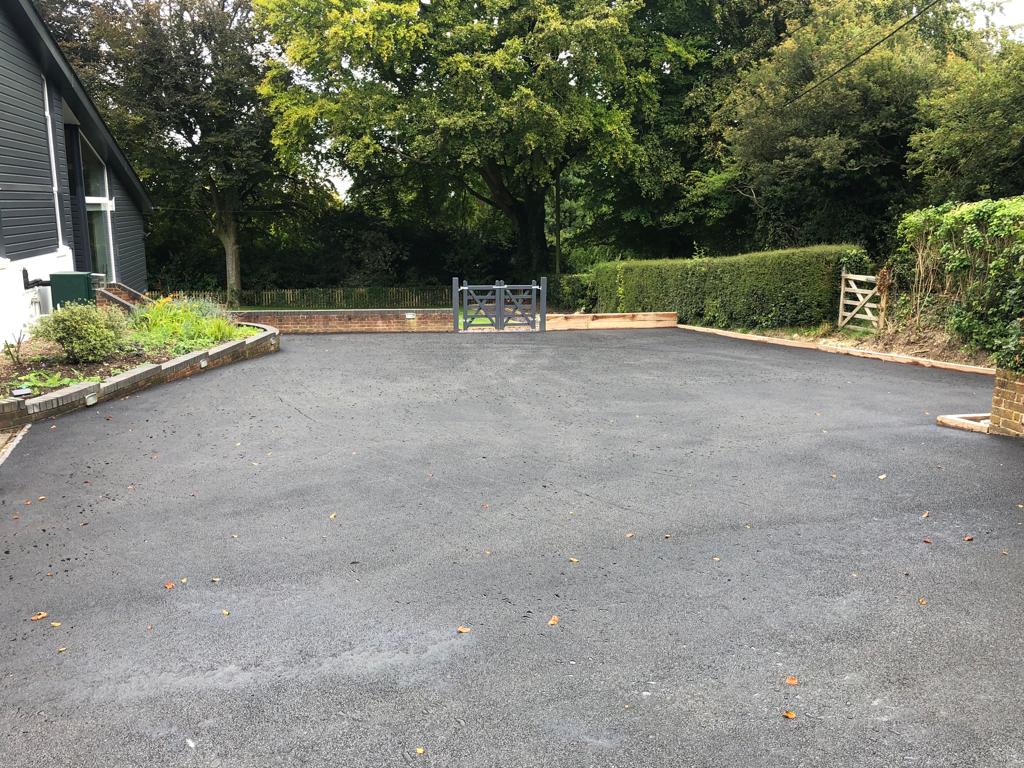
Parking and access areas play an important role in how efficiently a business property operates. They are used by staff, customers, visitors, delivery vehicles and service vehicles, often throughout the working day. When these areas become uneven, potholed or poorly drained, everyday vehicle movements can become unnecessarily difficult.
For businesses in Mulgrave, VIC, professionally constructed asphalt can provide a strong, practical and clearly defined surface for parking areas, entrances, internal accessways and vehicle circulation areas. Mulgrave Road Tech provides asphalt surfacing based on the condition of the site, expected traffic and preparation required beneath the finished pavement.
Why Is Asphalt Well Suited to Business Properties?
Commercial vehicle areas need to perform differently from decorative or lightly used outdoor surfaces. They may experience repeated traffic movements, vehicles stopping and starting, turning movements and concentrated loads in parking positions.
Asphalt is widely suited to these applications because it creates a continuous pavement that can be designed around the intended use of the site.
When correctly constructed, an asphalt surface can provide:
- Smooth and consistent vehicle access
- Clearly defined parking and traffic areas
- A stable surface for regular use
- Effective surface drainage when appropriate falls are established
- Practical maintenance options
- A professional appearance
- Suitability for different sizes and layouts of vehicle areas
The quality of the result, however, depends heavily on preparation beneath the asphalt.
1. Asphalt Creates Smoother Vehicle Access
The condition of an entrance or accessway can influence a visitor’s experience before they even enter the premises.
Potholes, loose gravel, rutting and uneven surfaces require drivers to slow down or alter their route to avoid damaged areas. This can become particularly inconvenient where numerous vehicles enter and leave a property each day.
Asphalt provides a relatively smooth and consistent driving surface. Properly planned entrances and internal accessways can make vehicle movements more predictable and allow traffic to move around the site more efficiently.
For a busy business property, this practical improvement can be more important than appearance alone.
2. Parking Areas Become More Defined and Functional
An effective business parking area needs sufficient structure to accommodate repeated vehicle movements without becoming increasingly uneven.
Loose or deteriorated surfaces can gradually develop wheel tracks, depressions and displaced material around frequently used parking positions.
Asphalt creates a defined pavement that can provide a more consistent area for parking and vehicle circulation.
The overall layout can be planned around how the property operates, including:
- Vehicle entry and exit points
- Parking positions
- Turning areas
- Internal access routes
- Loading and unloading locations
- Connections between different parts of the site
Considering these movements before surfacing helps create a pavement that supports the practical requirements of the business.
3. Asphalt Can Accommodate Regular Traffic
Commercial parking and access areas may experience considerably more vehicle movement than a typical residential driveway.
Repeated traffic places continual stress on the pavement, particularly in wheel paths and areas where vehicles regularly stop, turn or accelerate.
Professional asphalt construction takes these demands into account.
The supporting pavement should be prepared and compacted according to the expected use of the area. This is important because asphalt does not carry vehicle loads independently; it relies on the pavement structure underneath for support.
A well-prepared foundation helps distribute traffic loads and reduces the likelihood of premature movement in the finished surface.
4. Proper Surfacing Can Improve Drainage
Water management is an important consideration for business parking and access areas.
Large paved surfaces need appropriate levels and falls so rainfall can move towards suitable drainage points rather than collecting in depressions.
Standing water can interfere with everyday use and may also indicate that the pavement profile is not functioning effectively. If moisture enters cracks or weakened pavement edges, it can contribute to deterioration underneath the asphalt.
Professional preparation can establish appropriate surface levels before the final asphalt layer is installed.
Good drainage helps reduce problems such as:
- Persistent puddles
- Water collecting in wheel paths
- Saturated pavement edges
- Localised surface deterioration
- Water entering existing cracks
- Progressive weakening of damaged sections
Drainage therefore needs to be considered as part of the pavement design rather than after the asphalt has already been laid.
5. A Well-Surfaced Area Can Improve Business Presentation
Parking areas and entrances form a significant part of many commercial properties.
A badly deteriorated surface containing potholes, loose material and extensive patching can make the wider site appear poorly maintained.
A professionally finished asphalt surface creates a cleaner and more consistent appearance. It can help define where vehicles should travel and park while providing a more organised setting around the premises.
For customers and visitors, a well-maintained entrance and parking area can contribute to a positive first impression without requiring an overly decorative surface.
6. Asphalt Reduces Problems Associated With Loose Surfaces
Unsealed vehicle areas can perform effectively in some situations, but regular traffic can continually move loose surface material.
Vehicle tyres may create ruts, corrugations and depressions. Turning movements can displace additional material, particularly around entrances and heavily used parking areas.
Asphalt creates a bound surface, substantially reducing the movement of loose pavement material at the surface.
This can be particularly beneficial where a business wants consistent access without vehicles continually travelling over loose or changing ground conditions.
7. Asphalt Can Be Designed Around Different Vehicle Movements
Not every section of a commercial pavement experiences the same type of use.
Straight accessways experience different stresses from tight turning areas. Parking bays differ from loading locations, while entrances may experience repeated acceleration and braking.
Professional pavement planning can identify these higher-stress locations before construction.
Particular attention may be required around:
- Entrances and exits
- Tight turning areas
- Frequently used wheel paths
- Loading locations
- Areas used by larger vehicles
- Sections where vehicles repeatedly stop and start
Taking actual vehicle movements into consideration helps ensure the pavement is prepared appropriately for the way the property functions.
The Base Beneath the Asphalt Is Critical
A commercial asphalt surface is only as dependable as the pavement supporting it.
Placing asphalt over soft, unstable or inadequately compacted ground can lead to settlement, rutting and cracking as vehicles pass over the area.
Professional preparation may involve:
- Removing unsuitable material
- Repairing weak sections
- Establishing appropriate pavement levels
- Adding suitable pavement material where required
- Grading the area
- Compacting the supporting layers
- Correcting drainage problems
- Preparing the surface for asphalt installation
Much of this work is hidden once the project is complete, but it has a major influence on pavement performance.
Can Existing Business Parking Areas Be Resurfaced?
Not every ageing commercial pavement needs complete reconstruction.
Where an existing asphalt area remains structurally stable but the wearing surface has become generally worn, resurfacing may provide an effective way to renew it.
Before resurfacing, the existing pavement should be assessed for deeper defects.
Potholes, sunken sections, unstable areas and drainage problems should be addressed rather than simply covered with new asphalt.
If deterioration extends into the pavement base, localised reconstruction may be required before resurfacing proceeds.
Repairs or Resurfacing?
The appropriate approach depends on how widespread the deterioration has become.
A small number of isolated defects may be suitable for local repairs when the surrounding pavement remains in good condition.
Resurfacing may become more appropriate when deterioration is spread across a larger proportion of the parking or access area but the supporting pavement remains sufficiently sound.
Where there is widespread settlement, deep rutting or significant movement under traffic, deeper pavement work may be necessary.
A professional assessment helps distinguish between these different conditions.
Asphalt Can Make Ongoing Maintenance More Manageable
All commercial pavements should be monitored as they age.
With asphalt, individual defects can often be identified and assessed before they spread into larger sections. Early attention to cracks, potholes, drainage problems and damaged edges can help protect the surrounding pavement.
Useful signs to monitor include:
- New cracking
- Small potholes
- Depressions in wheel paths
- Loose asphalt around damaged areas
- Water beginning to collect
- Deterioration around pavement edges
- Movement in heavily trafficked sections
The aim is to respond to developing defects before they become widespread pavement problems.
Why Professional Asphalt Surfacing Matters
Business parking and access areas are functional pavements. They need to support the traffic using them while providing appropriate levels, drainage and vehicle movement.
Simply placing asphalt over an existing area without addressing the condition underneath can leave weaknesses unresolved.
Professional asphalt surfacing considers the complete pavement, including:
- Existing ground conditions
- Supporting pavement strength
- Expected vehicle use
- Traffic movements
- Compaction
- Drainage
- Surface levels
- Existing defects
- Future maintenance requirements
This approach helps create a finished surface that is suited to the actual needs of the property rather than simply improving its appearance.
Conclusion
Asphalt can provide several practical benefits for business parking and access areas. A professionally constructed surface can create smoother vehicle access, clearly defined parking areas, improved drainage and a stable pavement for regular traffic. It can also reduce problems associated with loose surfaces while giving the property a more organised and professional appearance.
The long-term performance of asphalt depends heavily on what happens before the final surface is installed. Correct base preparation, compaction, drainage and consideration of vehicle movements are all important parts of a successful commercial pavement.
For businesses in Mulgrave, VIC, Mulgrave Road Tech provides professional asphalt surfacing and resurfacing tailored to existing site conditions and traffic requirements. If your parking or access areas are becoming uneven, worn or difficult to maintain, arranging a professional assessment can help determine the most appropriate surfacing approach.
Call us on: 03 9068 7895
Click here to find out more about Mulgrave Road Tech
Click here to complete our contact form and see how we can help with your road needs.